
 0
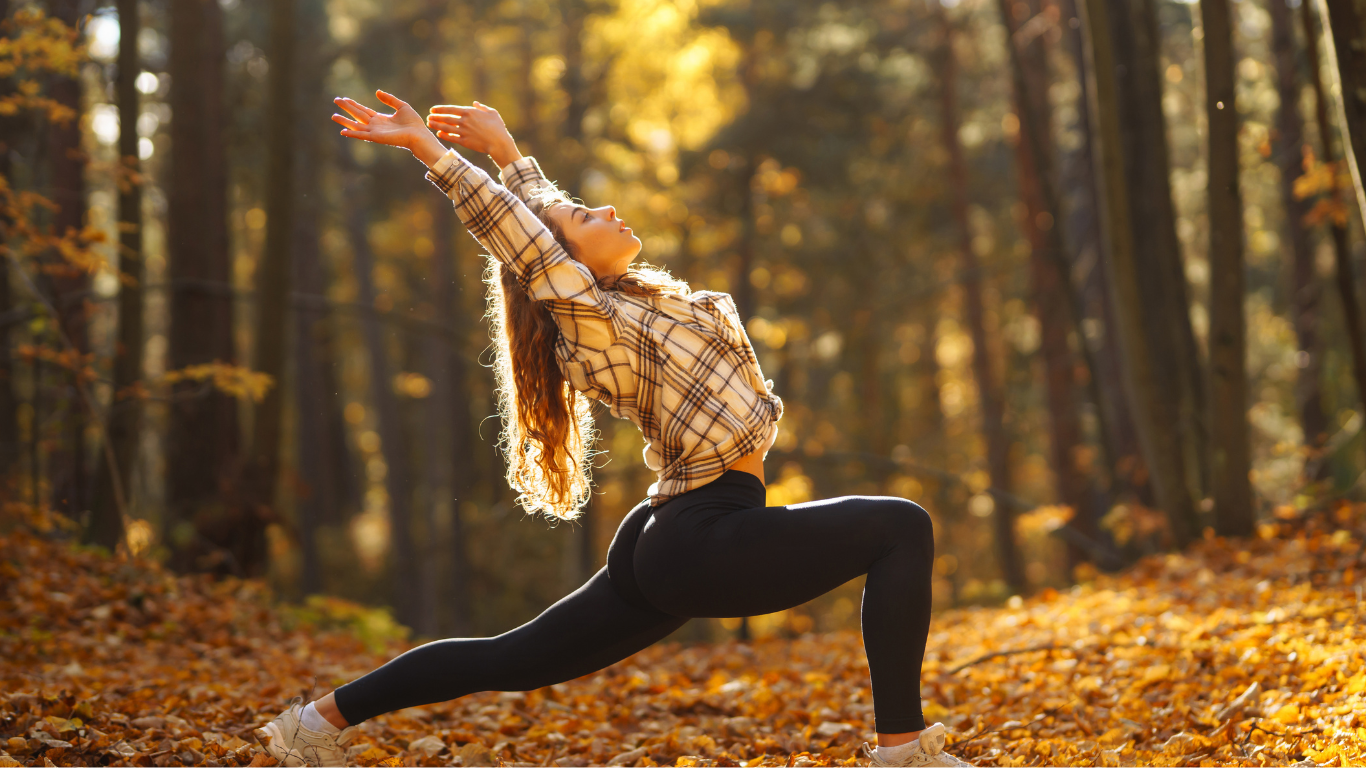
September arrives and something shifts. The outdoor runs feel better. Your gym fills back up. Those early morning workouts that were brutal in August heat suddenly feel possible again.
But while you’re adjusting your training schedule for the new season, your hair is adjusting too — and not always in the ways you’d expect. 🌿
The transition from summer to fall brings a completely different set of environmental conditions for your hair and scalp. Humidity drops. Indoor heating turns on. Hats and hoods become part of the workout kit. The sweat patterns from your training change as temperatures fall. Each of these shifts creates new stressors that your summer routine wasn’t built to handle.
At Ahimsa, we build hair care systems around the realities of active life — including how those realities change with the seasons. This guide covers exactly what fall does to your hair and scalp during training, and how to adapt your routine to match. 💚
What Actually Changes in Fall 🔬
 Understanding the specific changes fall brings is what allows you to respond to them intelligently rather than reactively. Here’s what’s happening to your hair’s environment as temperatures drop:
Humidity Drops — and Your Hair Shaft Notices 💧
Summer air holds moisture. High humidity keeps your hair shaft hydrated even without product — the air itself delivers water to the cuticle throughout the day and during your workouts.
Fall air is drier — and indoor heated air is drier still. When you move training indoors in October and November, you’re exercising in an environment with significantly lower relative humidity than any outdoor summer session. Your hair shaft responds by losing moisture more quickly. The cuticle — the protective outer layer of each strand — begins to lift and roughen as it tries to draw moisture from the air and finds less of it.
Most active women notice the same texture shift in fall: hair that felt smooth and manageable through summer starts to feel dry, frizzy, and rough-surfaced. This isn’t permanent damage. But it is a change in your hair’s moisture baseline that requires a direct response. Your pre-workout hair ritual needs to shift from barrier protection against humidity to active moisture sealing against dryness.
Sweat Patterns Change 🌡️
Cooler outdoor temperatures mean you sweat differently during fall training. For outdoor athletes — runners, cyclists, hikers — the volume of sweat per session typically decreases as temperatures drop. Sweat distribution also changes. In cooler air, sweat evaporates more slowly from the scalp — less heat means less evaporation. Salt and lactic acid residue therefore sits on the scalp longer per session than it did in summer heat.
Indoor training — gym sessions, cycling classes, HIIT — is also affected. The heating systems that make autumn workouts comfortable create a warm, dry environment that generates significant sweat even when outdoor temperatures are cool. Your scalp microbiome faces the same post-workout pH disruption it did in summer, but now in a drier baseline environment that makes recovery harder.
Indoor Heating Changes Your Scalp’s Environment 🏢
This is the most underappreciated fall hair stressor. When heating systems turn on in gyms, studios, and indoor training spaces, they generate warm dry air that draws moisture from everything it contacts — including your scalp.
A scalp already slightly dry from the seasonal humidity drop loses moisture at an accelerated rate during a heated indoor session. Over weeks of daily indoor training, this creates a pattern of chronic scalp dryness. The result is tightness, flakiness, and an itchy scalp that no amount of conditioning seems to fully resolve.
More washing isn’t the solution — that strips the natural oils that are your scalp’s primary defense against dryness. A more intentional approach to scalp protection before each indoor session is what’s needed. More on this in the routine section below.
The Hat and Hood Problem 🧢
 Fall introduces a hair stressor that summer workouts rarely involve: headwear. As temperatures drop, hats, headbands, and hoods become standard parts of the active wardrobe. Each one creates friction and traction patterns that accumulate over a season of daily training.
Hat Friction and Mechanical Damage
A running hat or beanie worn during outdoor fall training creates sustained contact friction between the fabric and your hair shaft — particularly at the crown, temples, and nape. Every head movement during exercise generates friction between the hat and your hair. Over a 45-minute run, that amounts to thousands of micro-friction events on the same cuticle areas.
This is especially damaging when hair is in a ponytail under a hat. The ponytail elastic creates one concentrated traction point. A hat adds another friction band above it. Together they put significant mechanical stress on a narrow zone of hair over months of fall training.
For guidance on which hairstyles minimize this friction under headwear, see our complete guide to the best hairstyles for every workout. The short version: low braids that sit flat under a hat reduce friction dramatically compared to high ponytails that bunch under the fabric.
Static from Synthetic Fabrics
Fall and winter activewear is typically synthetic — polyester, nylon, fleece — and dry air amplifies the static charge these fabrics generate. Contact with a synthetic hat, hood, or jacket collar builds static charge. Individual strands repel each other, creating flyaways and frizz that are particularly difficult to manage during outdoor training.
A small amount of Ahimsa’s Hair & Body Oil Mist on the lengths before putting on a hat creates a light coating that significantly reduces static buildup during training. It also acts as a friction barrier between the hat fabric and your hair shaft — reducing cuticle wear from hat contact over a full session. ✨
Hood Friction at the Nape
A jacket hood — even one you wear just walking to and from a fall outdoor session — creates concentrated friction at the nape, where the hood edge contacts your hair continuously as you move. The nape is already one of the most sweat-concentrated zones of the scalp during training. Add repeated hood friction to that sweat accumulation and you have a zone that’s under both chemical and mechanical stress simultaneously.
If you wear a hooded jacket regularly in fall training, braid your hair and tuck it inside the hood rather than letting it sit against the hood edge. This single habit eliminates almost all of the nape friction that hood contact creates.
How Fall Changes Your Post-Workout Recovery 🚿
Your post-workout hair care routine needs two adjustments in fall. The dryness baseline has changed, and hat and hood friction has added mechanical stress that summer workouts didn’t create.
Detangling Requires More Care
Fall hair is drier than summer hair at baseline. Drier hair has a more roughened cuticle surface, which means individual strands catch on each other more easily during detangling. The same post-workout detangling session that was smooth in August can cause significantly more breakage in October if you approach it the same way.
Always finger-detangle before reaching for a comb. Apply Ahimsa’s Leave-in Conditioner before combing — the slip it provides is genuinely more important in fall than it was in summer, because your hair’s lower moisture level means less natural slip to work with.
Wash Frequency Needs Recalibrating
Many active women increase their wash frequency through summer to manage heavy sweating. Fall is the time to step back toward 2–3 wash days per week — even if you’re still training daily. The drier fall environment means your scalp needs its natural oils more than it did in summer humidity. Washing too frequently strips those oils at exactly the moment your scalp needs them most.
On non-wash training days, Ahimsa’s Dry Mist Shampoo handles post-workout scalp management without the drying effect of a full wash. Apply to the hairline, crown, temples, and nape immediately after training. Let it absorb for 60 seconds, then massage and brush through. 💨
The Post-Workout Oil Step Becomes Non-Negotiable
In summer, a leave-in conditioner alone was often enough post-workout moisture maintenance. Fall’s drier air means moisture escapes from the hair shaft more quickly after washing or conditioning. Adding a light application of Ahimsa’s Hair & Body Oil Mist to the lengths after your leave-in creates a sealing layer that dramatically slows that moisture loss between wash days.
This step takes 10 seconds. In fall and winter, it makes a visible difference in the texture and manageability of your hair between sessions. Think of it as the equivalent of putting on a moisturizer after washing your face — the same logic, applied to your hair.
The Adapted Fall Pre-Workout Ritual 🌿
Your summer pre-workout hair ritual was built around barrier protection against heat, humidity, and UV radiation. Fall changes two of those three factors. Here’s exactly how the ritual adapts: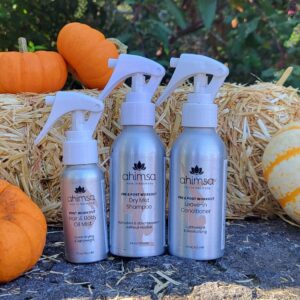
For Outdoor Fall Training 🍂
The outdoor fall environment is cooler and drier than summer. UV exposure is lower but still present — UV radiation doesn’t disappear in fall, it just reduces in intensity. The primary pre-workout priorities shift toward moisture retention and friction protection.
Apply leave-in first. Before styling, work Ahimsa’s Leave-in Conditioner through mid-shaft to ends. In fall, this serves primarily as a moisture seal rather than a barrier. You’re locking hydration into the hair shaft before dry outdoor air and wind can draw it out during your run or ride.
Follow with the oil mist. Two to three spritzes of Ahimsa’s Hair & Body Oil Mist on the lengths creates the sealing layer that keeps the leave-in’s moisture locked in. It also reduces static from synthetic activewear and provides the friction buffer between your hair and any headwear. One spritz on the lengths, one on the nape if you’re wearing a hood.
Style low and under your hat. A flat French or Dutch braid sits cleanly under a running hat without bunching. It also keeps hair contained through the variable wind conditions of fall outdoor training. For specific braid and style guidance see our runners hair care guide — the same principles apply to any outdoor fall training. 🎀
For Indoor Fall Training 🏋️
Indoor heated training environments create a specific combination of warm air and low humidity that requires a slightly different approach. The goal here is protecting against dryness and sweat disruption simultaneously.
Reset the scalp before indoor sessions on non-wash days. Heated indoor air draws moisture from an already-dry scalp. Starting an indoor session with existing buildup compounds that dryness significantly. Apply Ahimsa’s Dry Mist Shampoo to the scalp before heading into a heated gym or studio. It removes existing residue and gives your scalp a clean, balanced starting point before the session’s sweat and dry air take effect.
Apply leave-in before indoor sessions too. Many active women skip the pre-workout product step for indoor training — reserving it for outdoor workouts where UV and weather are visible threats. But heated dry indoor air is just as drying to the hair shaft as outdoor wind. The leave-in belongs in your indoor pre-workout routine throughout fall and winter. 🌿
Fall Training by Activity: What to Know 🏃♀️🚴♀️🧘♀️
Different fall activities create different specific hair challenges. Here’s what to know for the most common ones:
Running — Transitioning Outdoors to Indoors
Fall running means managing both outdoor and indoor conditions as training splits between the two. On outdoor run days, the full ritual above applies. For treadmill days, focus on scalp reset and moisture sealing — the dry heated air of most gym cardio spaces is the primary stressor, and indoor sessions tend to generate significant sweat in a low-humidity environment.
Also watch for traction stress compounding with fall hair shedding during September and October. For runners wearing tight high ponytails daily, this is the highest-risk period of the year for visible thinning at the temples and hairline.
Cycling — Helmet and Hood Management
Fall cycling adds helmet liner management to the usual helmet friction considerations. A thermal liner under a cycling helmet traps heat and sweat more aggressively than a summer helmet alone. It also adds friction across the crown throughout every ride.
With a helmet liner, keep hair in a low flat braid at the nape rather than bunching under the liner. Dry Mist or wash the scalp after every ride. The combination of helmet friction, liner contact, and fall sweat creates a congested scalp environment if not managed consistently.
Yoga and Indoor Studio Classes — Heating System Management
Hot yoga has its own established hair care protocol. Regular indoor yoga and studio classes in fall present a subtler version of the same challenge. Studio heating systems are often aggressive in October and November as they calibrate for winter. A standard 70°F yoga class in a well-heated fall studio can generate significant scalp sweat in dry heated air.
Before class, apply the oil mist to lengths to slow cuticle lift in the heated environment. After class, Dry Mist the scalp and let it absorb fully before styling for the rest of your day. 🌿
Your Adapted Fall Training Hair Routine at a Glance 🍂
Before Every Fall Training Session
- Apply Leave-in Conditioner to mid-shaft and ends — moisture seal
- Follow with Hair & Body Oil Mist on lengths — locks in moisture and reduces static
- Apply Dry Mist Shampoo to scalp on non-wash days — clean starting point
- Style low — flat braid or low bun under any headwear
- Use seamless elastics — always
After Every Fall Training Session
- Apply Dry Mist Shampoo to scalp immediately — neutralizes sweat in dry conditions
- Finger-detangle before combing — drier fall hair needs more care
- Apply Leave-in Conditioner before combing — essential slip for dry-season detangling
- Follow with Hair & Body Oil Mist — seals moisture between sessions
On Wash Days (2–3x per week)
- Cleanse with Gentle Daily Shampoo
- Apply leave-in to damp hair
- Seal with oil mist on lengths and ends
- Step back from daily washing — your scalp needs its oils in fall more than it did in summer
For everything you need in one portable kit, see our gym bag hair kit guide — the same essentials apply year-round, with the oil mist earning a more prominent role in your fall bag. 👜
Looking Ahead: Fall Into Winter 🌿
The habits you build in fall carry directly into winter. Consistent moisture sealing, reduced traction, and indoor scalp management become even more critical when cold air and aggressive indoor heating push your hair’s environment to its most challenging point of the year.
Fall is the transition window. Getting the routine right now means you enter winter with a scalp that’s balanced, hair that’s protected, and a system already in place. For the complete guide to what comes next, see our Winter Hair Health Guide. 🍂
The Ahimsa Philosophy: Seasons Change, Your System Adapts 💚
Active women don’t stop training when the seasons change. But most hair care brands act as if the environment stays the same year-round. It doesn’t — and your hair routine shouldn’t either.
At Ahimsa, we built every product to work with your body’s natural responses across every condition your training takes you through. Fall is one of the most dynamic transitions of the year for your hair. Understanding what changes — and responding deliberately — keeps your hair healthy through every season of your active life. 🌿✨
Ready to adapt your routine for fall? Explore Ahimsa’s full collection of clean, sulfate-free, active hair care — designed for women who train through every season.
You Might Also Like 🔗
- Why Your Hair Sheds More in Fall (And What to Do About It)
- Running and Your Hair: The Complete Hair Care Guide for Runners
- The Pre-Workout Hair Ritual: How to Prep Your Hair Before You Sweat
- Hair Up, Game On: The Best Hairstyles for Every Workout
- The Mindful Wash: How Often to Shampoo & Why It Matters
- Winter Hair Health Guide: Ahimsa’s Essential Tips for Cold Weather
Sources 📚
- American Academy of Dermatology: Hair Care in Changing Seasons
- International Journal of Trichology: Hair Cosmetics — An Overview
- PMC: Scalp Microbiome and Topical Treatments
- NIH: Hair Structure and the Hair Cycle
- NIH: The Role of Sweat in Scalp and Hair Health
- Journal of Cosmetic Science: Effects of Environmental Humidity on Hair
© Ahimsa Hair Care. All rights reserved.